New or Used? The Guide to Making the Right Call When Buying Store Shelving
Used store shelving can be cheaper in the short term; but size mismatches, capacity uncertainty and the lack of a warranty can push up the total cost. We compared new and used honestly.
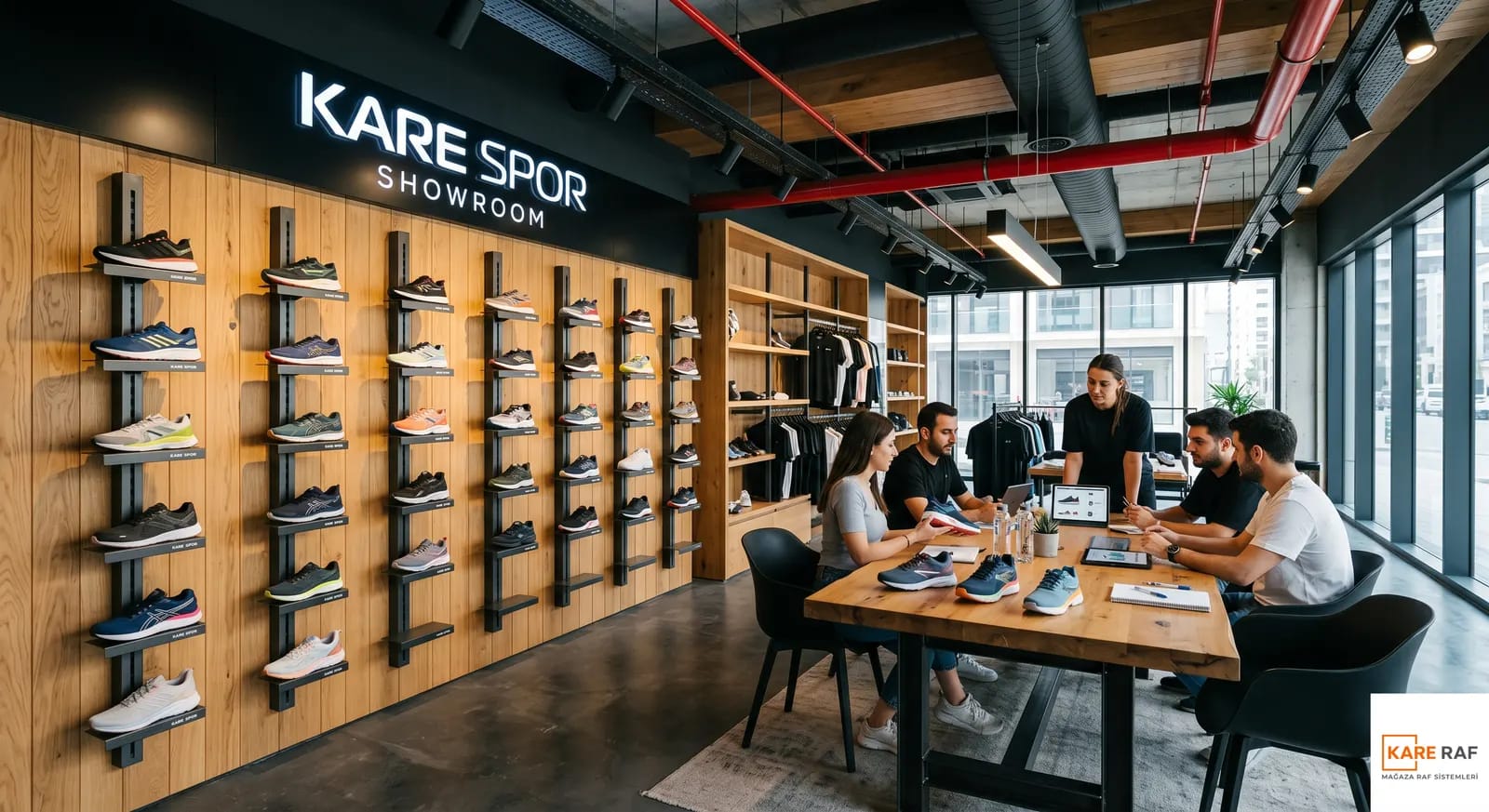
The honest answer: in the short term, used store shelving can come in cheaper than new; but size mismatches, uncertain load capacity, missing parts and the lack of a warranty can push the total cost even above new. So the right question isn't "which is cheaper?" but "which has the lower total cost for my store?". At Kare Raf we manufacture new store shelving systems, yet we wrote this guide without sales pressure, putting both scenarios on the table.
New vs used: comparison table
| Criterion | New shelving | Used shelving |
|---|---|---|
| Initial investment | Higher | Considerably lower |
| Warranty | Manufacturer-backed | Usually none |
| Fit to your dimensions | Produced for your store | The store is adapted to the sizes at hand |
| Installation | Set up by the manufacturer's team | Dismantling, transport and assembly are on you |
| Lead time | Requires production time | Available immediately |
| Spare parts / extra modules | Exact match from the same manufacturer | The same series may be unobtainable |
| Load capacity | Sheet thickness and load ratings are known | Fatigue and deformation are invisible from outside |
If you're buying used: the checklist
If your budget points to used, don't pay before running these checks:
- Upright and hole compatibility: make sure all modules come from the same series; shelving from different manufacturers won't fit together.
- Sheet thickness and deformation: look for sagging in the shelf panels, bending in the uprights and dents at the base.
- Corrosion and paint: rust under the paint surfaces quickly; check the base and the feet in particular.
- Missing parts: are the shelf brackets, foot screws and back panels complete? Small missing parts later turn into the most expensive line items.
- Write down the total cost: shelving price + dismantling + transport + assembly labor + sourcing missing parts. Make your comparison on this total.
One more tip: ask the seller for the brand or series of the shelving. With a known series, your chances of finding extra modules and spare parts later improve; steer clear of "mixed lots" where different series are jumbled together. If you can, see the shelving still standing rather than dismantled — an assembled system's level and general condition tell you far more than parts stacked on the floor.
The hidden advantage of new: production made for your store
With used shelving, you adapt your store to the sizes at hand; with new, the shelving adapts to your store. At Kare Raf the process runs like this: your store is measured during a free site visit, the aisle plan is visualized in 3D (you can see examples of finished projects in our portfolio), production is made to measure in our own factory after approval, and our installation team completes the setup. Because the areas standard modules leave empty — between columns, under window displays and in niches — are reclaimed with custom cutting, the same square meterage yields more display space. For a transparent view of how pricing works, ask us for a line-item quote.
A real cost scenario: a 45 m² boutique
Let's make it concrete (a representative scenario, not a specific customer example): you're opening a 45 m² boutique. In the used scenario, you find a mixed lot of shelving on classified sites; transport and assembly labor get added, one section stays empty because two walls don't quite match the sizes, and you set off on a second hunt for the missing shelf brackets. In the new scenario, all the walls and the middle area are produced to measure after the site visit, installation is finished in one go, and when you want to grow into a branch two years later, you order extra modules from the same series. The first invoice is lower with used; but once the lost display area, the extra labor and growth compatibility are counted, the gap is often smaller than you'd think. Which scenario suits you depends on your budget and your timeline — either way, decide with the numbers in front of you.
The most overlooked items with used shelving: installation and safety
Two items never show up on a used-shelving invoice. The first is labor: dismantling, transport and reassembly usually call for separate expertise; a badly installed unit stands out of level, and its shelves take load unevenly. The second is safety: an upright whose years of service and load history you don't know may carry less than you're told. Especially on tall units, tip-over protection (anchoring to the wall) and floor leveling must not be neglected. When buying new, both items are the manufacturer's responsibility; with used, they're added to your plan and your budget.
Which makes sense in which situation?
- Consider used: a very tight starting budget, a temporary or short-term store, a simple layout with standard straight walls.
- Consider new: a long-term store, a space with non-standard dimensions, sectors where brand appearance matters (boutiques, cosmetics), plans to grow or open branches.
If you haven't settled on shelf types yet, first read our store shelving types guide; for a line-item breakdown of your own budget, request a free quote.
Frequently asked questions
Where can you buy used supermarket shelving?
Used supermarket shelving is usually bought from classified-ad sites, second-hand dealers and the liquidations of closing stores. Before buying, always check on site that the upright type and hole pitch are mutually compatible, along with the sheet thickness, the paint/corrosion condition and whether any parts are missing.
How much does new store shelving cost?
The price of new store shelving depends on the shelf type, dimensions, sheet thickness, total footage and whether installation and delivery are included. That's why the only sound approach is a measurement-based quote: after a free site visit, Kare Raf prices everything line by line.
Does Kare Raf sell used shelving?
No. Kare Raf only manufactures new: it produces store shelving systems to measure in its own factory and hands them over installed. But if your budget is tight, during the free site visit we'll honestly work through the total cost of the used and new scenarios with you.
Tell us your budget, and let's run both scenarios together
At Kare Raf, during the free site visit we measure your store, draw up our line-item quote for new production, and put it side by side with the total cost of the used alternative you're considering; the decision is yours. Call now: +90 506 411 71 90 or message us on WhatsApp — you can also leave a site-visit request on our contact page.
Last updated:
Related Posts
Shelving Systems
What Is a Square-Post Shelving System? How It Differs from Tapered Uprights, and Which to Choose
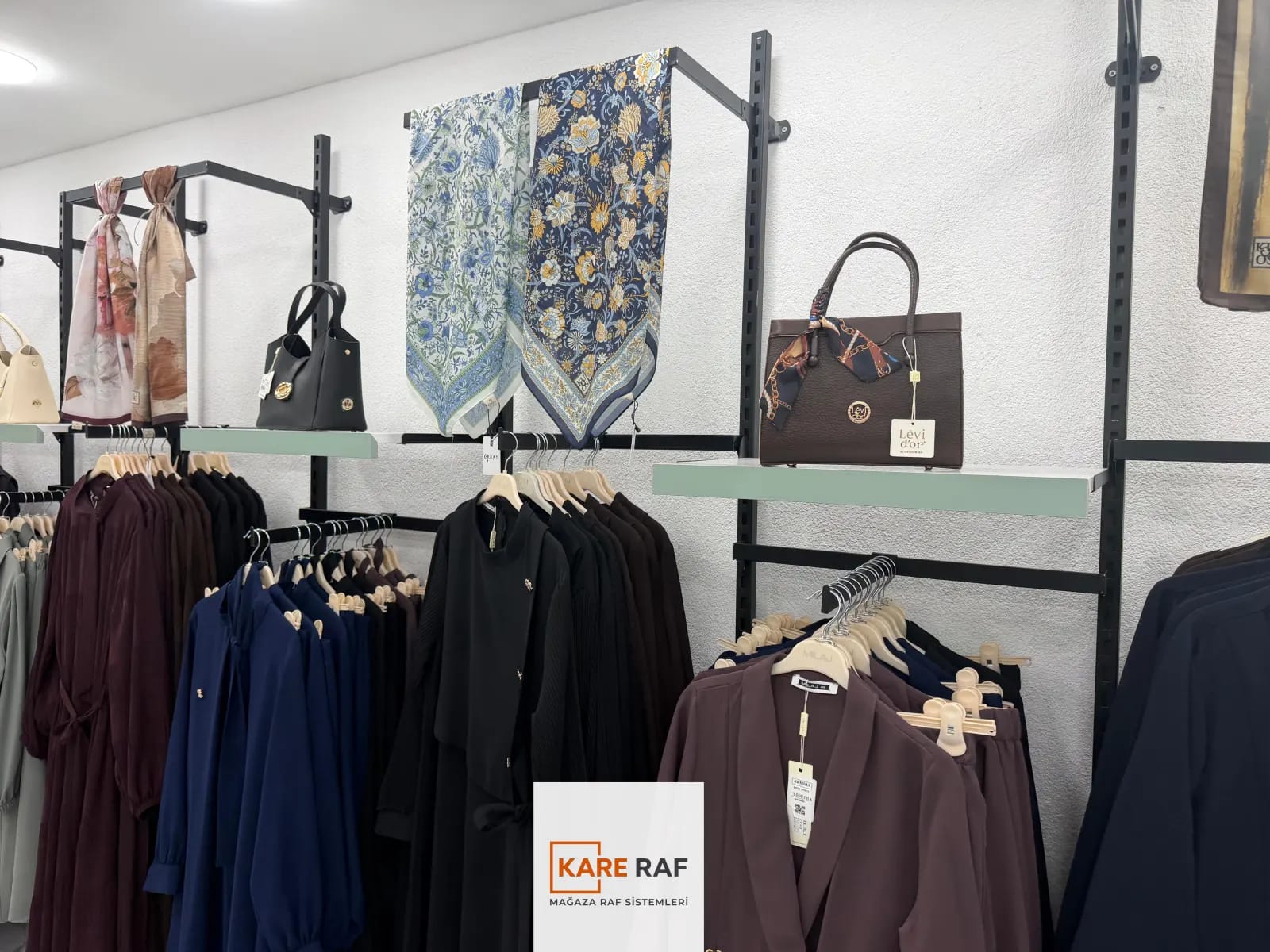
A square-post shelving system carries the shelf on square-profile uprights; the tapered upright is the press-formed sheet-steel carrier of classic supermarket shelving. We compared the two on load capacity, installation, aesthetics and price.
Shelving Systems
Which Shelving for Which Store? A Guide by Store Type
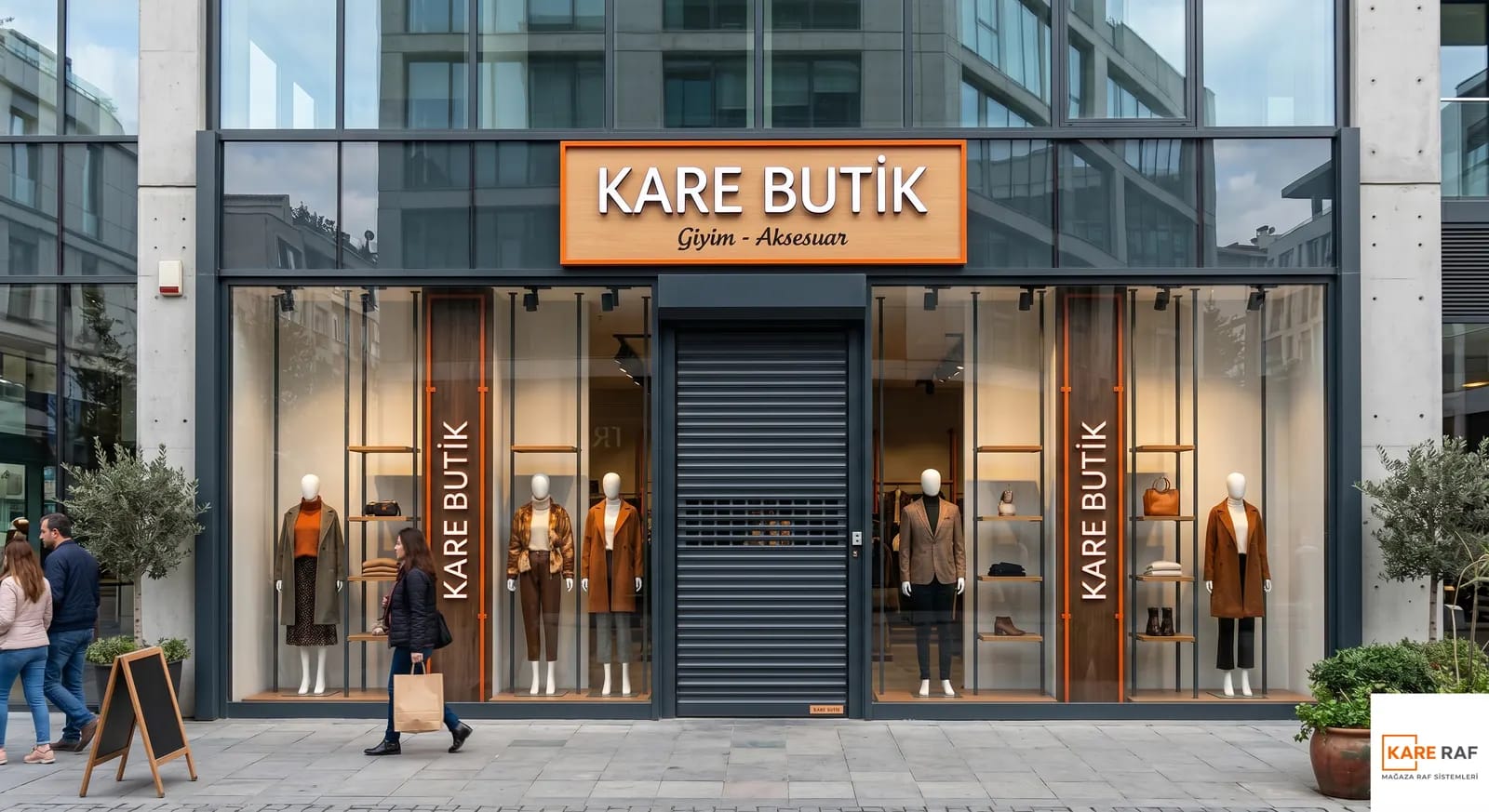
Shelving and display advice for 12 store types, from boutiques to pharmacies and pet shops to wholesale shops: a guide to choosing the right shelving by product weight, sales style and shop size.

Shelving Systems
What to Look for When Choosing Pharmacy Shelving Systems
Pharmacy shelving puts fast access, hygiene, dense stock capacity and medicine safety first. We've compiled the criteria that matter when choosing shelving built specifically for pharmacies.